Féquet's Funae wins Route du Rhum for Class40 pointy-bows
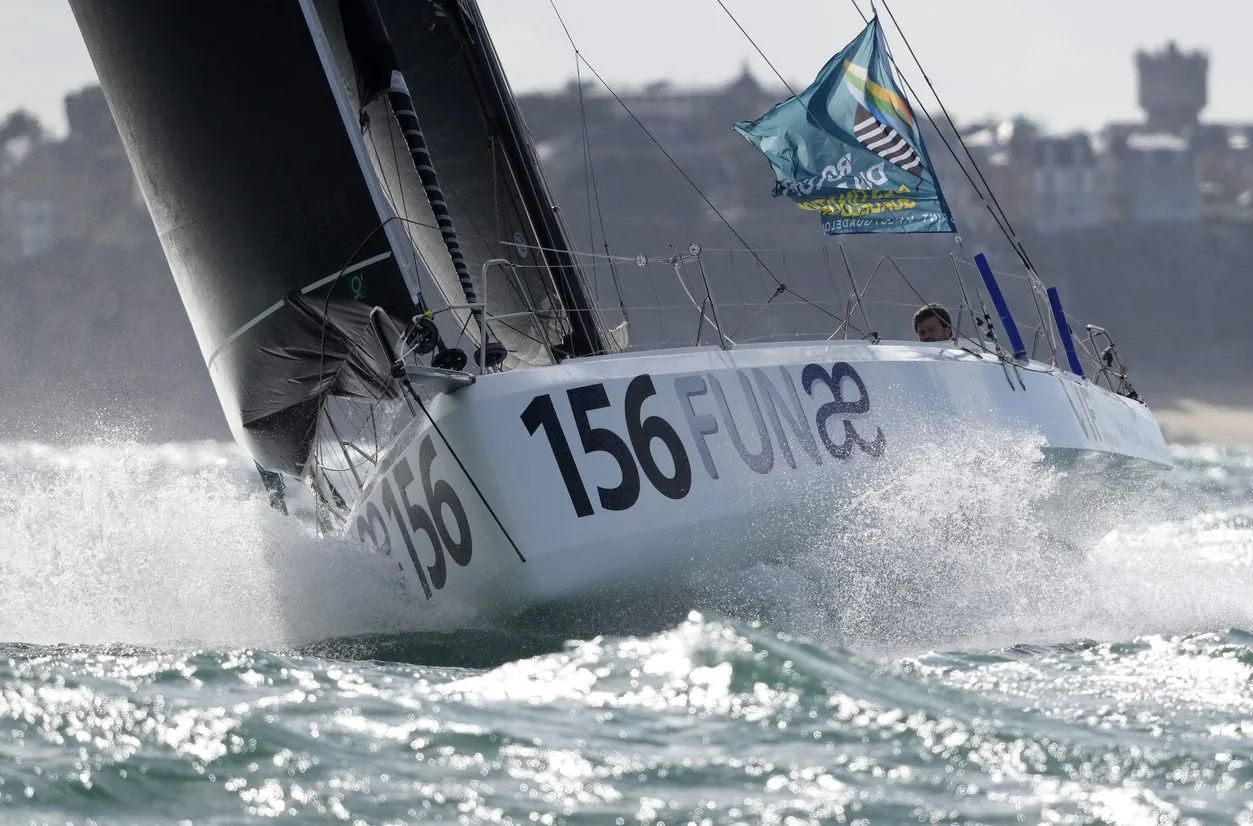
Loïc Féquet (#156 Funae) has won the pointy-bow ("pointu") category of the Class40 fleet in the 13th Route du Rhum – Destination Guadeloupe, crossing the finish line on 18 November at 19:50 local time after 16 days, 12 hours and 48 minutes at sea. He finished 18th overall in the class.
Djemila Tassin and Ulysse Pozzoli completed the pointy-bow podium.
A podium in the middle of the fleet
The result is all the more notable for where it sits: mid-fleet overall, and a strong showing against the scows. Of the 49 Class40s that started in Saint-Malo, ten were pointy-bows, and every one of them made it to Guadeloupe. There were no retirements in the category, which Class40 says speaks to the reliability of these boats. In the class's words, this victory belongs to a generation of boats.
Féquet won aboard a Mach40.3 designed by Sam Manuard and launched in 2018. He bought it in January this year, then refitted and made it reliable over the following months.

A forgotten boat
The story starts with a boat that had been left alone. Féquet's Mach40.3 had been sitting on hardstand in Caen for two years. "When it came out, it was quick. I thought it was a shame it wasn't sailing," explains the Saint-Malo skipper, who bought it intending to charter or sell it on after some refit work. Only after buying it did he realise the Route du Rhum was the following year.
The decision then made itself. "The best way to prove the boat has value is to sail it. People see it's well looked after, that it's going well."

Preparation over miles
Féquet admits he did little sailing before the start but spent a lot of time preparing the boat. He knew what he wanted technically, and had two sails made, one of which everyone told him was pointless on a Class40. It turned out to be the sail he used most, as it suited a pointy-bow boat well.
Sense over speed in the lows
With several transatlantics behind him, Féquet looked at the wave file as the first low approached, saw the purple zone and decided it wasn't reasonable to go in. He had never sailed this boat in 50 knots, but had done it on others and knew how quickly things can go wrong.
"I eased off to let the worst of it pass. At that point the standings didn't matter to me. I wanted to get to Guadeloupe." He didn't want to charge into the low and risk breaking everything, only to see the sailors who had held back, with boats at 100 per cent, appear ahead of him. That is what happened to him. Coming out of the first low, and then the second, he was able to push where he wanted. When he did get strong winds, it was downwind and he was prepared for them. "For some it must have been very hard."
A pointy-bow duel
"In Saint-Malo I didn't know the level of the other pointy-bows. Djemila Tassin had put in very good results early in the season and she's shown again here that she's at a very interesting level." He only "got rid" of her not far from the finish, on the long spinnaker leg. "And that's what's nice. If you win and there's no contest, it's not very interesting."
His goal was to be well placed among the pointy-bows. The Saint-Malo 40, La Trinquette, had shown him the boat went well. He doesn't compare himself with the top ten or so scows, led by skippers who really know how to make their boats go, but hopes to play with the rest. "The commitment you put in matters, and so does age."
He also reflected on his rivals' races. "Gaëtan wanted to go to Brazil!" but "the southern option can be deceptive". Féquet stayed fairly close to the great circle route and believes he sailed one of the shortest distances in the fleet. Of Pozzoli, he said: "His boat is getting a bit of age on it; he sailed his race and that's very good!"
A model for young sailors and keen amateurs
This may be Féquet's strongest message. "These boats, the pointy-bows, they exist, they let you do a reasonable Route du Rhum where you enjoy yourself, perhaps more than on a scow when you're not aiming to win."
He is convinced that for young sailors starting out without a big budget, a project like Pozzoli's is far more sensible than a scow campaign. "You can do good projects, cheaper and simpler. You do a first project, you get a taste for it, you build loyalty with partners who help you step up to a more ambitious project." The same goes for a keen amateur dreaming of good offshore racing.
His verdict: "18th overall is beyond what I could have imagined. It's my best Route du Rhum, everything fitted together. Overall: only positives. It was great." Will he be back? He doesn't know if it would be as good next time, but he recommends the experience.
Tassin: "a real crazy race"
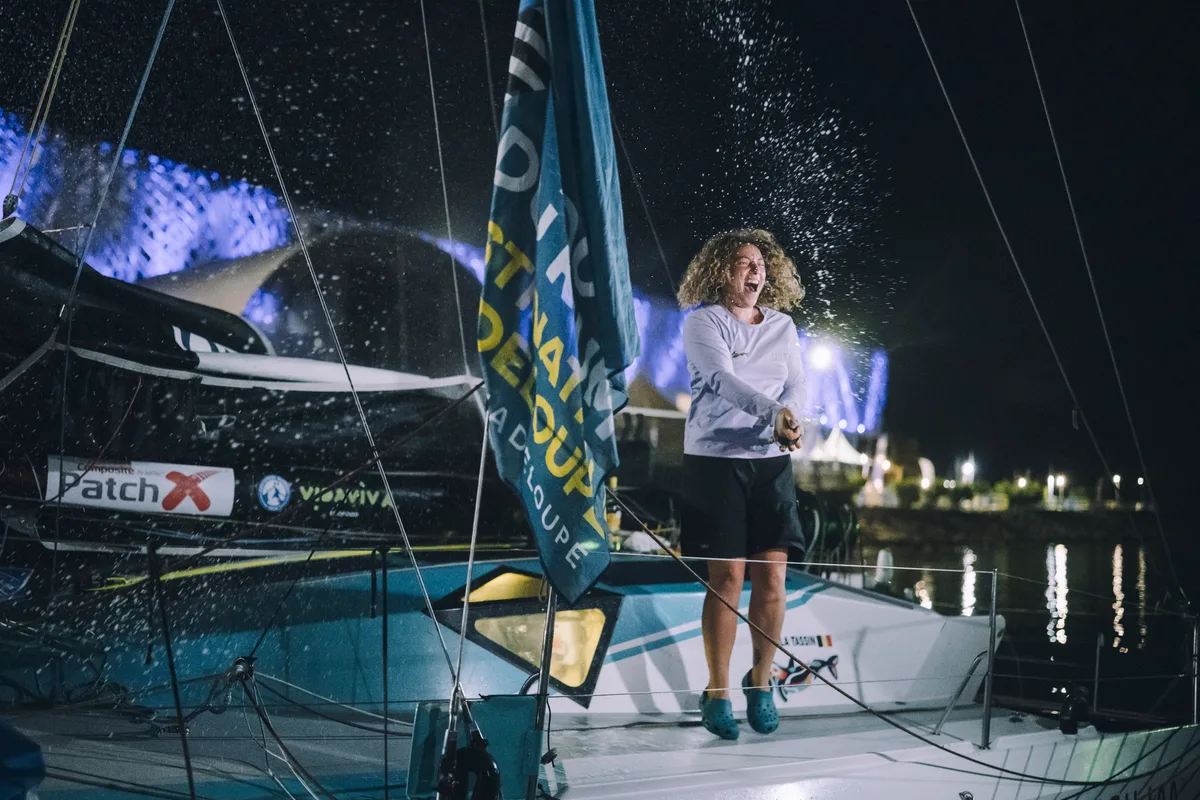
Djemila Tassin, second pointy-bow home, said: "It was a real crazy race. Crossing right through the middle of the Atlantic opens up a strategic game completely different to anything I'd done before, with a very particular intensity and rhythm.
"But I took joy every day in having the chance to be there, gazing at the sea and learning a little more from my boat each day. A few hard moments and a bit of fear in the big low, but only positives going forward with the rest of my projects!
"I really would have liked to be first pointy-bow, but the breakage of my gennaker on the second day of the race forced a lot of slow compromises on the second half of the course. Bravo to Loïc for his race!"
Canal40

Since the start of the Route du Rhum – Destination Guadeloupe, Class40 has run Canal40, a timeline carrying all the class's news, where fans can relive the best moments of the race.
Class40 congratulations
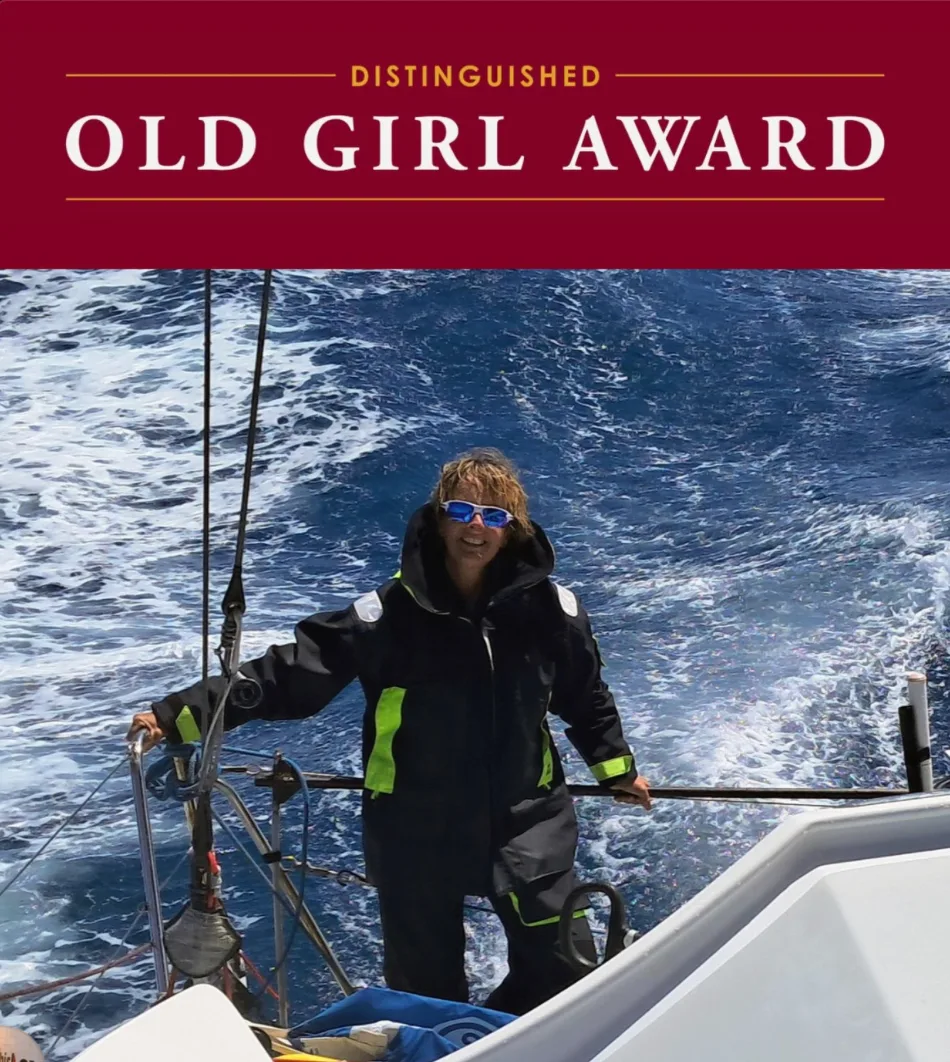
Mélodie Ridge Schaffer has received the Distinguished Old Girl award from the Bishop Strachan School, which recognises former students who have made a significant impact. The class highlighted her pioneering biomedical research work, her part in developing the life-saving Opti-Flow dialysis catheter, and her historic achievement as the first Canadian to sail a boat around the world, in the Globe40.
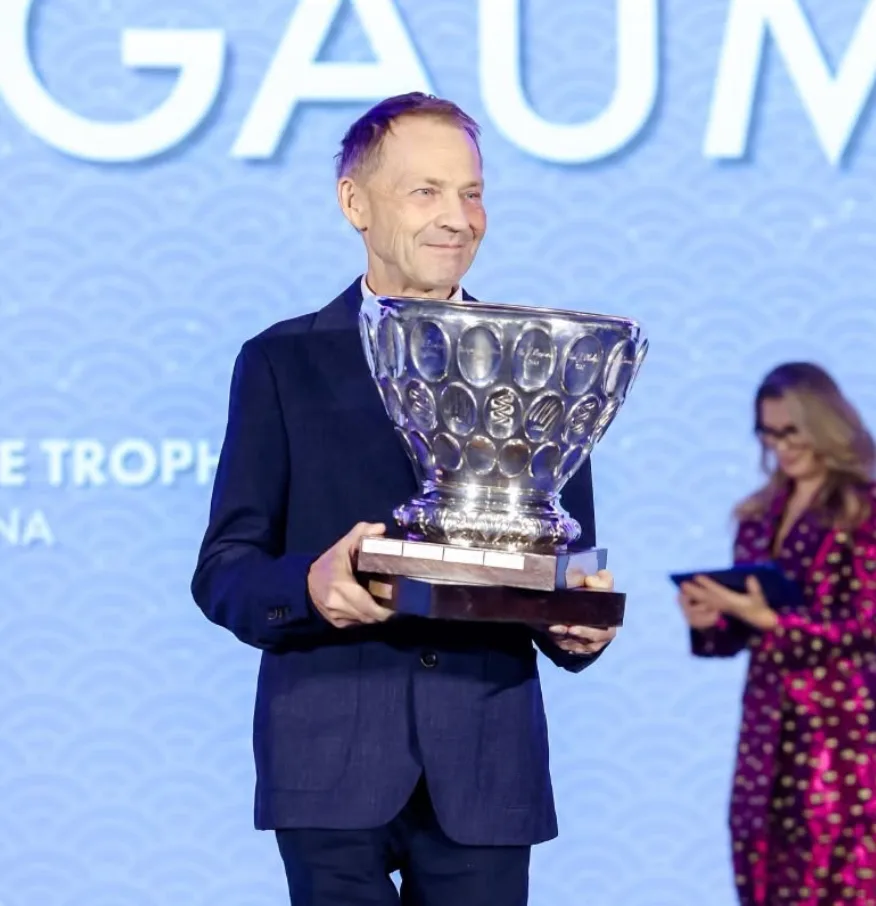
Christophe Gaumont received the Beppe Croce Trophy at the World Sailing Awards 2026, one of the sport's most prestigious honours, given for an outstanding contribution to the development of sailing.
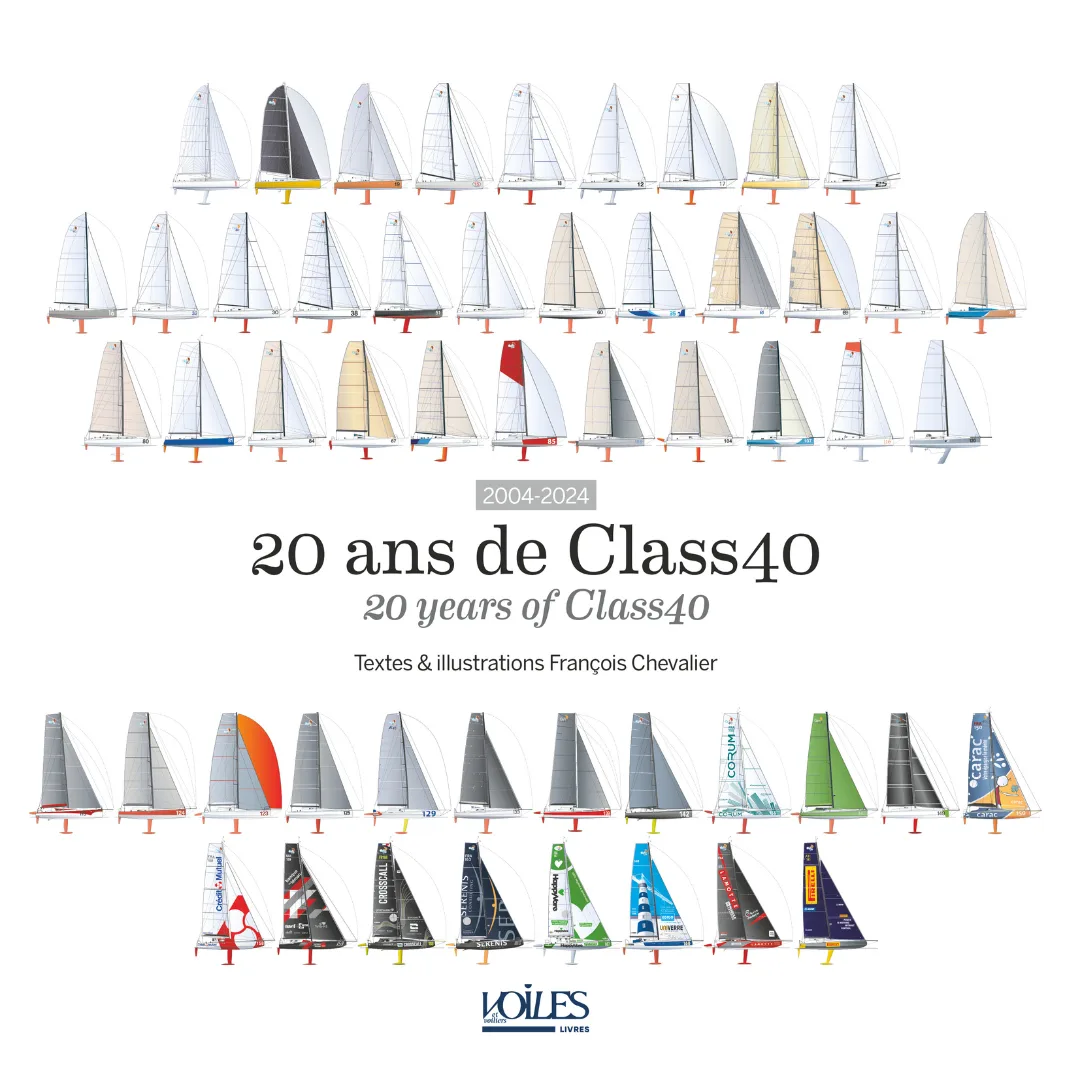
Class40 has also published a book marking its 20 years, 20 ans de Class40 / 20 years of Class40 (2004–2024), with text and illustrations by François Chevalier, from Voiles et Voiliers Livres.
Source: Class40
See more Live Sail Die in Google: add us as a preferred source
Comments